Green Living: Environmentally Friendly Ways to Save on Your Household Bills
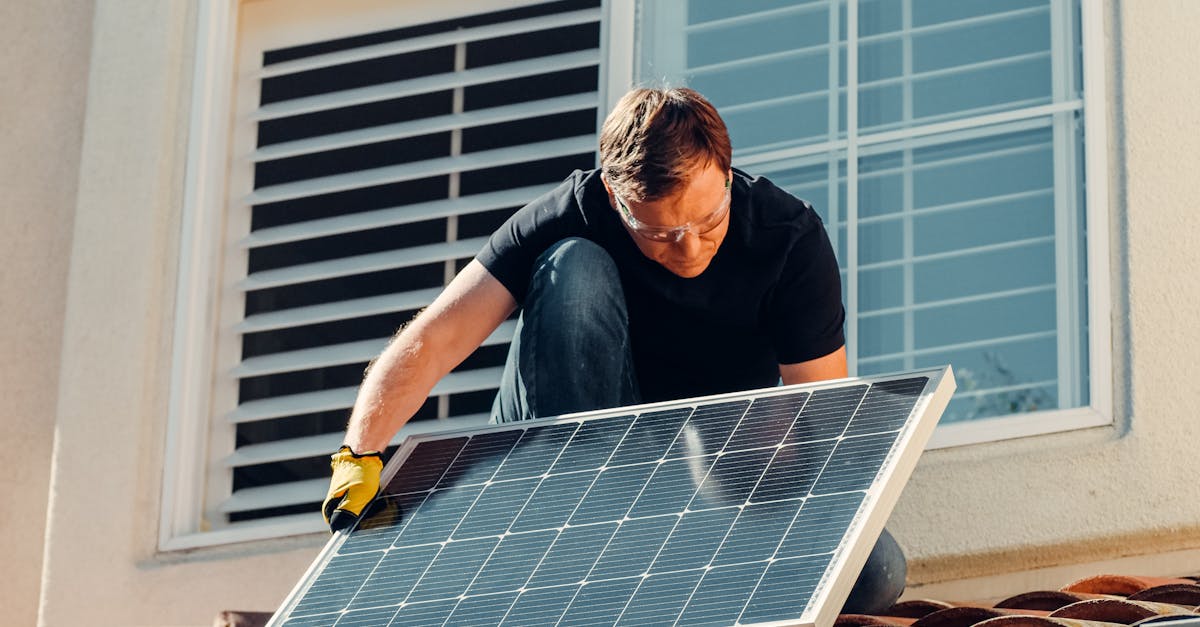
Table of Contents
- Understanding the Environmental and Financial Impact of UK Households
- Reduce Energy Bills Through Smart Home Improvements
- Water Conservation: The Overlooked Resource
- Recycle for Rewards: Turning Waste into Worth
- Sustainable Food Practices
- Transportation Choices
- Creating a Sustainable Household Plan
- Conclusion: The Cumulative Impact of Eco-friendly Savings
- Frequently Asked Questions About Eco-friendly Savings
- How much can I realistically save through eco-friendly home improvements?
- Which green improvements offer the best return on investment in the UK climate?
- Are there government grants available for eco-friendly home improvements?
- How can renters implement eco-friendly savings without making permanent changes?
- Do I need to spend money to achieve eco-friendly savings?
- How can I finance larger eco-friendly home improvements?
- Will making my home more eco-friendly increase its value?
- Related Posts
Green Living: Environmentally Friendly Ways to Save on Your Household Bills with Eco-friendly Savings
Embracing eco-friendly savings has never been more important for UK homeowners. With energy prices soaring and environmental concerns mounting, sustainable living isn’t just good for the planet—it’s excellent for your wallet too. The average UK household spends approximately £1,289 on energy bills annually according to Ofgem, while water bills average around £408 per year based on Water UK data. By implementing green living strategies, British households can reduce these costs significantly while contributing to a more sustainable future.
This comprehensive guide explores practical, cost-effective approaches to transforming your home into an eco-friendly haven. From simple behavioural changes to more substantial investments, these eco-friendly savings strategies are tailored specifically to the UK climate, regulations, and available incentives.
Understanding the Environmental and Financial Impact of UK Households
Before diving into solutions, it’s worth understanding the scale of the challenge. The typical British home produces about 2.7 tonnes of carbon dioxide annually from heating alone, according to the Committee on Climate Change. Meanwhile, UK households throw away approximately 9.5 million tonnes of food waste yearly, costing the average family £700 annually, as reported by WRAP.
By implementing eco-friendly savings measures, homeowners can significantly reduce both their environmental footprint and ongoing household expenses. The most effective approaches combine immediate low-cost changes with strategic investments that deliver long-term benefits.
Reduce Energy Bills Through Smart Home Improvements
Energy consumption represents the largest portion of household utility bills, making it the prime target for eco-friendly savings.
Insulation: The Foundation of Energy Efficiency
Proper insulation is particularly critical in the UK climate and can reduce heating costs by up to 25%.
- Loft insulation: Installing 270mm of insulation in a previously uninsulated loft can save approximately £215 per year.
- Cavity wall insulation: This improvement typically costs around £1,200 but saves about £165 annually, paying for itself within 7-8 years.
- Draught-proofing: Sealing gaps around windows, doors, and floorboards costs as little as £20 for DIY materials and can save around £45 yearly.
The UK government’s Energy Company Obligation (ECO) scheme provides support for low-income households to implement these improvements, sometimes at no cost.
Renewable Energy Solutions
Investing in renewable energy generation represents a significant step toward sustainable household management.
- Solar panels: A typical 3.5kWp system costs around £4,800 and can save approximately £300 per year on electricity bills, with additional income possible through the Smart Export Guarantee (SEG).
- Solar water heating: These systems cost £3,000-£5,000 and can provide about 60% of a household’s hot water needs, saving around £55 annually.
- Air source heat pumps: Though more expensive at £7,000-£13,000, these can save £1,300 yearly compared to oil heating systems and are eligible for the Boiler Upgrade Scheme, which offers £5,000 grants.
The Energy Saving Trust provides detailed information about financial support available for these technologies.
Smart Technology for Energy Management
Modern technology offers accessible ways to achieve eco-friendly savings through better control of energy usage.
- Smart meters: Free from energy suppliers, these devices help households monitor usage in real-time, typically reducing consumption by 2-3%.
- Smart thermostats: Products like Nest or Hive cost £150-£250 but can save around £75 annually by optimising heating patterns.
- Energy-efficient appliances: Replacing an old refrigerator with an A+++ rated model can save approximately £190 over its lifetime.
Water Conservation: The Overlooked Resource
Water usage represents another significant opportunity for eco-friendly savings, particularly as water bills continue to rise across the UK.
Simple Behavioural Changes
- Shorter showers: Reducing shower time by just one minute saves around £15 per person annually.
- Turn off taps: A dripping tap can waste 5,500 litres of water yearly, adding unnecessary costs to water bills.
- Full loads only: Running washing machines and dishwashers only when full can save approximately £35 per year.
Water-Saving Devices
- Water butts: A 200-litre water butt costs around £35 but can collect significant rainwater for garden use, reducing water bills for households on meters.
- Low-flow showerheads: These cost £20-£50 and can reduce water usage by up to 70%, saving approximately £55 annually for a family of four.
- Toilet cistern displacement devices: Often available free from water companies like Thames Water and Anglian Water, these can save 1-2 litres per flush.
Recycle for Rewards: Turning Waste into Worth
Effective waste management not only benefits the environment but can also generate eco-friendly savings through reduced costs and potential rewards.
Maximising Council Recycling Services
UK councils offer various recycling services, but many households don’t fully utilise these free facilities:
- Food waste recycling: Participating in council food waste collection schemes reduces landfill costs passed on through council tax.
- Garden waste: Some councils charge for garden waste collection, but home composting provides a free alternative that also produces valuable compost.
- Hard-to-recycle items: Services like Terracycle offer collection points for difficult items, while some retailers like Boots offer loyalty points for returning empty cosmetic packaging.
Upcycling and Repurposing
The growing “make do and mend” movement offers creative ways to extend product lifecycles:
- Furniture restoration: Refurbishing rather than replacing furniture can save hundreds of pounds and is increasingly fashionable.
- Clothing repairs: Learning basic sewing skills or using repair cafés like those organised by The Restart Project extends garment life.
- Community sharing: Platforms like Freecycle, Nextdoor, and Olio facilitate free exchange of unwanted items.
Sustainable Food Practices
Food choices significantly impact both household budgets and environmental footprints, offering substantial opportunities for eco-friendly savings.
Reducing Food Waste
The average UK family wastes £700 worth of food annually—a figure that can be dramatically reduced:
- Meal planning: Creating weekly meal plans can reduce food waste by up to 30% and lower grocery bills accordingly.
- Smart storage: Proper food storage extends shelf life; for example, storing potatoes and onions separately prevents premature sprouting.
- Understanding date labels: “Best before” indicates quality, not safety, and many foods remain perfectly edible beyond this date.
Sustainable Shopping
- Seasonal produce: Buying UK-grown seasonal fruit and vegetables can be up to 30% cheaper than imported alternatives.
- Reduced packaging: Shopping at zero-waste stores like The Zero Waste Shop or markets can lower costs by eliminating packaging premiums.
- Plant-based meals: Reducing meat consumption can save approximately £645 annually while lowering carbon footprint.
Transportation Choices
While not strictly household bills, transport costs represent a significant expense for many UK families and offer substantial eco-friendly savings potential.
Reducing Car Dependency
- Public transport: A monthly bus pass (approximately £65 in many areas) often proves cheaper than car ownership costs.
- Cycling infrastructure: The UK has invested in cycling infrastructure in many cities, with schemes like Santander Cycles in London offering affordable access.
- Car sharing: Platforms like Liftshare can halve commuting costs for regular journeys.
Electric Vehicles
For households requiring personal transport, electric vehicles offer increasing financial advantages:
- Running costs: Electric vehicles cost approximately 5p per mile to run, compared to 15p for petrol vehicles.
- Tax benefits: Zero road tax for fully electric vehicles saves £165 annually compared to typical petrol cars.
- Maintenance: Electric vehicles typically have 20% lower maintenance costs due to fewer moving parts.
The UK government’s Electric Vehicle Homecharge Scheme offers grants toward installing home charging points.
Creating a Sustainable Household Plan
Achieving maximum eco-friendly savings requires a strategic approach rather than isolated changes.
Assessing Current Impact
Start by understanding your current environmental footprint and spending patterns:
- Energy audit: Use tools like the Energy Saving Trust’s Home Energy Check to identify priorities.
- Water usage review: Most water companies offer water usage calculators to highlight potential savings.
- Waste audit: Track household waste for two weeks to identify recycling opportunities.
Setting Priorities and Timelines
- Quick wins: Implement no-cost behavioural changes immediately (shorter showers, turning off standby appliances).
- Low-cost improvements: Budget for items like draught-proofing, LED bulbs, and water-saving devices within 3 months.
- Major investments: Research larger investments like insulation or renewable energy for implementation within 1-3 years.
Conclusion: The Cumulative Impact of Eco-friendly Savings
The transition to a greener household represents a journey rather than a destination. By systematically implementing the eco-friendly savings measures outlined in this guide, UK homeowners can substantially reduce their environmental footprint while enjoying significant financial benefits.
The most successful approaches combine immediate behavioural changes with strategic investments in home improvements. This balanced strategy delivers both short-term savings and long-term financial and environmental returns.
With energy prices projected to remain high and environmental concerns escalating, the case for green living has never been stronger. The typical UK household implementing even half the measures discussed could reasonably expect to save £800-£1,200 annually while reducing their carbon footprint by 25-40%.
Beyond the financial benefits, embracing sustainable household management contributes to the UK’s commitment to achieve net-zero carbon emissions by 2050. Every kilowatt saved and every kilogram diverted from landfill represents a meaningful contribution to this critical national and global objective.
Frequently Asked Questions About Eco-friendly Savings
How much can I realistically save through eco-friendly home improvements?
A comprehensive approach incorporating energy efficiency, water conservation, and waste reduction can save the average UK household between £800-£1,200 annually, with some households achieving even greater savings depending on their starting point and commitment level.
Which green improvements offer the best return on investment in the UK climate?
Loft insulation consistently offers the best ROI, with annual savings of around £215 for an investment of approximately £300 in a typical semi-detached house. LED lighting, draught-proofing, and water-efficient showerheads also provide excellent returns within the first year.
Are there government grants available for eco-friendly home improvements?
Yes, several schemes exist, including the Boiler Upgrade Scheme offering £5,000 toward heat pumps, the ECO4 scheme for low-income households, and the Smart Export Guarantee for renewable energy generation. Local authorities sometimes offer additional grants, so check with your council.
How can renters implement eco-friendly savings without making permanent changes?
Renters can focus on behavioural changes (shorter showers, efficient appliance use), temporary improvements (thermal curtains, removable draught excluders), and devices that don’t require installation (smart plugs, energy-efficient appliances). Many landlords are also amenable to improvements that increase property value.
Do I need to spend money to achieve eco-friendly savings?
No, many effective measures cost nothing to implement. Behavioural changes like turning down thermostats by 1°C (saving approximately £80 annually), air-drying laundry instead of using tumble dryers (saving about £60 yearly), and efficient appliance use can generate substantial savings without any initial investment.
How can I finance larger eco-friendly home improvements?
Beyond government grants, options include green mortgages from providers like Nationwide and Barclays, which offer discounted rates for energy-efficient homes or improvements. Some credit unions offer green loans, while the Green Deal Finance Company provides pay-as-you-save financing.
Will making my home more eco-friendly increase its value?
Yes, research from the Department of Energy and Climate Change found that improving a property’s EPC rating from band G to E, or from band D to B, could add more than £16,000 to the average property value. As energy efficiency becomes increasingly important to buyers, this premium is likely to increase.