Unlock the Potential of DIY Home Energy Efficiency: A UK Guide to Solar Panel Installation
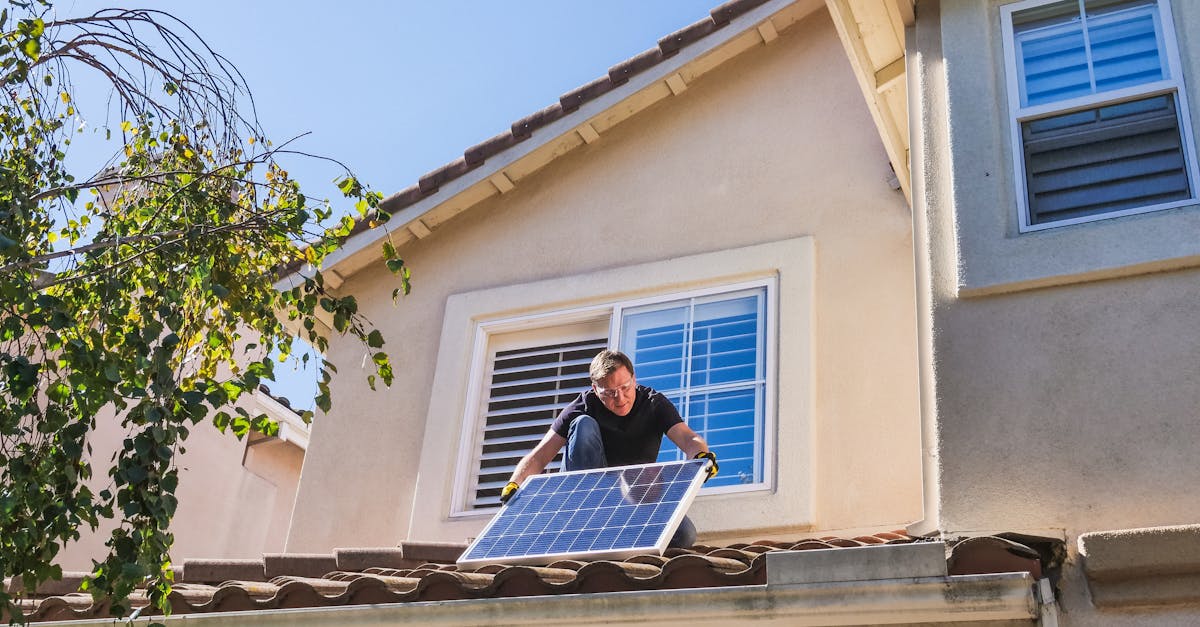
Table of Contents
- Understanding Solar Energy in the UK Context
- Financial Considerations and ROI
- Planning Your DIY Solar Panel Installation
- Step-by-Step DIY Solar Panel Installation Guide
- Enhancing Your System for Maximum Efficiency
- Maintenance and Troubleshooting
- Real-Life Success Stories from UK Homeowners
- Conclusion: Embracing Self-Sufficient, Eco-Friendly Living
- Frequently Asked Questions
- How much can I really save with a DIY solar panel installation in the UK?
- Do I need special skills to install solar panels myself?
- Can I install solar panels in a conservation area or on a listed building?
- How effective are solar panels in the UK climate?
- Will my DIY installation qualify for Smart Export Guarantee (SEG) payments?
- What happens to solar panels during power cuts?
- How long will a DIY solar panel system last?
- Can I add more panels to my system in the future?
- Related Posts
Unlock the Potential of DIY Solar Panel Installation UK: A Comprehensive Guide to Home Energy Efficiency
The rising cost of energy bills and growing environmental awareness have prompted many UK homeowners to consider alternative energy sources. DIY solar panel installation in the UK has emerged as a viable option for those looking to reduce their carbon footprint while achieving significant long-term savings. With the average UK household spending approximately £1,138 annually on electricity according to Ofgem, solar energy presents an attractive solution for sustainable living.
This comprehensive guide explores everything you need to know about DIY solar panel installation in the UK, from planning and regulations to installation techniques and maintenance. By taking a hands-on approach to renewable energy, you can enhance your home’s energy efficiency while contributing to a greener future.
Understanding Solar Energy in the UK Context
Despite the UK’s reputation for cloudy weather, solar energy remains a viable option. The UK receives approximately 60% of the solar radiation compared to equatorial regions, which is still sufficient to generate significant electricity. According to the Solar Trade Association, the UK installed 730 MW of new solar capacity in 2021, bringing the total to over 14 GW—enough to power more than 3 million homes.
How Solar Panels Work in British Conditions
Solar photovoltaic (PV) panels generate electricity by converting sunlight into energy, even on overcast days. Modern solar panels are increasingly efficient at capturing diffused light, making them suitable for the UK climate. A typical 4kWp system in southern England can generate around 3,800 kilowatt-hours of electricity annually, saving approximately 1.5 tonnes of carbon dioxide emissions.
DIY solar panel installation in the UK typically involves setting up:
- Solar PV panels (monocrystalline or polycrystalline)
- Mounting hardware and frames
- Inverters to convert DC to AC electricity
- Cabling and electrical components
- Optional battery storage systems
Financial Considerations and ROI
Before embarking on a DIY solar panel installation in the UK, it’s essential to understand the financial implications and potential returns on your investment.
Costs and Savings Breakdown
A professionally installed 3.5kWp system typically costs between £4,000-£6,000. DIY installation can reduce this by 30-50%, with materials costing approximately £2,500-£4,000 depending on quality and specifications. The primary savings come from:
- Reduced energy bills (typically 40-60% savings)
- Smart Export Guarantee (SEG) payments for excess electricity
- Increased property value (studies suggest homes with solar panels sell for 4.1% more)
- Protection against rising energy costs
For example, a Sheffield homeowner with a DIY-installed 3kWp system reported annual savings of £480 on electricity bills plus SEG payments of approximately £75 per year, resulting in a system payback period of 7-8 years compared to 15-20 years for professionally installed systems.
Available Incentives and Schemes
While the Feed-in Tariff scheme closed to new applicants in 2019, UK homeowners can still benefit from:
- Smart Export Guarantee (SEG): Energy suppliers with over 150,000 customers must offer tariffs for exported electricity
- Reduced VAT (5%) on energy-saving products including solar panels
- Local authority grants and schemes (varies by region)
- Green Homes Grant scheme in certain areas
In Scotland, homeowners may access additional support through the Home Energy Scotland loan scheme, offering interest-free loans for renewable technology installation.
Planning Your DIY Solar Panel Installation
Successful DIY solar panel installation in the UK requires careful planning and consideration of various factors.
Assessing Your Property’s Suitability
Before purchasing equipment, evaluate:
- Roof orientation (south-facing is optimal, but east/west orientations can still be viable)
- Roof pitch (30-40 degrees is ideal for the UK)
- Shading issues from trees, chimneys, or neighbouring buildings
- Structural integrity of your roof
- Available roof space (approximately 20m² for a 3.5kWp system)
Tools like the Energy Saving Trust’s solar calculator can help estimate potential generation based on your location and property characteristics.
Navigating UK Regulations and Permissions
DIY solar panel installation in the UK is subject to various regulations:
- Planning permission: Generally not required for domestic installations in England if panels don’t protrude more than 200mm from the roof plane, though conservation areas and listed buildings have additional restrictions
- Building regulations: Compliance is mandatory regarding structural integrity and electrical safety
- Electrical regulations: Final connections to your consumer unit must be certified by a qualified electrician with Part P certification
- DNO notification: You must inform your Distribution Network Operator about your installation
- MCS certification: Required for SEG payments (note: DIY installations may require professional certification)
A Manchester homeowner recently shared how obtaining pre-approval from local authorities saved considerable hassle when installing a 2.8kWp system in a conservation area, highlighting the importance of thorough research regarding local regulations.
Step-by-Step DIY Solar Panel Installation Guide
While DIY solar panel installation in the UK requires technical knowledge, many homeowners with good DIY skills can manage the process.
Required Tools and Materials
Essential equipment includes:
- Solar panels (typically 250-400W each)
- Mounting rails and roof anchors
- Inverter (string or micro-inverters)
- DC isolator switch
- AC isolator switch
- Solar cable and MC4 connectors
- Generation meter
- Safety equipment (harness, helmet, gloves)
- Basic tools (drill, screwdrivers, spanners, cable cutters)
Recommended suppliers for the UK market include Midsummer Wholesale, Wind & Sun, and Solar Panel Store.
Installation Process Overview
A typical DIY solar panel installation in the UK follows these steps:
- Planning and design: Calculate system size, create wiring diagrams, and obtain necessary permissions
- Roof preparation: Clean and inspect the roof surface, locate rafters
- Installing mounting hardware: Attach roof anchors to rafters, install mounting rails
- Panel placement: Carefully lift and secure panels to the mounting rails
- Wiring and connections: Connect panels in series/parallel according to your design
- Inverter installation: Mount the inverter in a cool, accessible location
- Safety equipment installation: Install DC and AC isolator switches
- Professional electrical connection: Have a certified electrician connect the system to your consumer unit
- Testing and commissioning: Verify system operation and performance
- Documentation: Register with your DNO and apply for SEG payments
A Bristol-based homeowner documented his DIY installation of a 4kWp system, completing the mechanical installation over a weekend with the help of two friends, followed by professional electrical connections. His total cost was £3,200 compared to £5,500 quotes from professional installers.
Enhancing Your System for Maximum Efficiency
To optimise your DIY solar panel installation in the UK, consider these enhancements:
Battery Storage Solutions
Battery storage systems allow you to store excess electricity for use during evenings or cloudy days. Popular UK options include:
- Tesla Powerwall (13.5kWh capacity, approximately £8,000 installed)
- Sonnen Battery (modular system, 5-15kWh, from £5,000)
- Pylontech (modular system, popular for DIY installations)
A Leicester family reported reducing their grid dependency by 80% after adding a 5kWh battery to their existing 3.8kWp DIY solar panel system, increasing their annual savings by an additional £320.
Smart Energy Management
Integrating your DIY solar panel installation with smart home technology maximises energy efficiency:
- Solar diverters like the myenergi eddi or Marlec Solic 200 direct excess energy to water heating
- Smart monitoring systems from companies like Solar Analytics or SolarEdge provide real-time performance data
- Home energy management systems coordinate solar generation with appliance usage
- Smart EV chargers can prioritise charging when solar generation is high
Maintenance and Troubleshooting
Proper maintenance ensures your DIY solar panel installation in the UK continues to perform optimally throughout its 25+ year lifespan.
Routine Maintenance Schedule
Implement this maintenance routine:
- Monthly: Check monitoring system for performance issues
- Quarterly: Visual inspection for damage or debris
- Bi-annually: Clean panels (if accessible) using soft brushes and specialist cleaning solutions
- Annually: Check mounting hardware for tightness, inspect cables and connections
- Every 5 years: Professional inspection of electrical components
- Every 10-15 years: Inverter replacement (typical lifespan)
Common Issues and Solutions
Watch for these potential problems:
- Reduced output: Often caused by shading, dirt accumulation, or panel degradation
- Inverter faults: Indicated by warning lights or error codes
- Connection issues: Loose connections can cause system shutdowns
- Wildlife damage: Birds nesting under panels can damage wiring
A Devon homeowner shared how installing simple mesh barriers around the perimeter of his panels prevented pigeons from nesting underneath, avoiding costly repairs and performance issues.
Real-Life Success Stories from UK Homeowners
DIY solar panel installation in the UK has transformed many homeowners’ energy situations:
- Edinburgh family: Installed a 2.4kWp system for £2,100, reducing their electricity bills by 35% despite Scotland’s northern latitude
- Cardiff retired couple: Combined a 4kWp DIY solar installation with an air source heat pump, achieving near-zero energy bills during summer months
- Birmingham semi-detached: Homeowner’s 3.2kWp east-west split installation generates 2,600kWh annually despite non-optimal roof orientation
- London terraced house: Limited roof space accommodated a 1.8kWp system that still provides 30% of the household’s electricity needs
Conclusion: Embracing Self-Sufficient, Eco-Friendly Living
DIY solar panel installation in the UK represents more than just a home improvement project—it’s a step toward energy independence, reduced carbon emissions, and significant long-term savings. While the process requires careful planning, research, and some technical knowledge, the financial and environmental benefits make it an increasingly attractive option for sustainability-minded homeowners.
With the average DIY system paying for itself in 7-10 years and continuing to generate electricity for decades, the long-term advantages are substantial. As technology improves and component costs continue to decrease, DIY solar is becoming increasingly accessible to the average UK homeowner.
By taking control of your energy production through DIY solar panel installation, you’re not only reducing your household’s carbon footprint but also protecting yourself against rising energy costs while contributing to the UK’s renewable energy targets. The journey toward energy self-sufficiency starts with that first panel on your roof—and the satisfaction of generating your own clean electricity is immeasurable.
Frequently Asked Questions
How much can I really save with a DIY solar panel installation in the UK?
The average 3.5kWp DIY solar system in the UK can save approximately £300-500 annually on electricity bills, with additional income from SEG payments. Compared to professional installation, DIY can save £2,000-3,000 on initial costs, reducing the payback period from 15-20 years to 7-10 years.
Do I need special skills to install solar panels myself?
While DIY solar panel installation doesn’t require professional qualifications, you should be comfortable working at height, have basic electrical knowledge, and good DIY skills. The final connection to your consumer unit must be completed by a certified electrician to comply with UK regulations.
Can I install solar panels in a conservation area or on a listed building?
Installation in conservation areas and on listed buildings is possible but requires planning permission. Consult your local planning authority before proceeding, as requirements vary by location. Some areas require panels to be non-visible from public roads or have specific placement restrictions.
How effective are solar panels in the UK climate?
Modern solar panels work effectively even in the UK’s variable climate. A well-designed system in southern England can generate approximately 1,000kWh per kWp installed annually, while northern Scotland achieves around 800kWh per kWp. Even on cloudy days, panels typically generate 10-25% of their rated output.
Will my DIY installation qualify for Smart Export Guarantee (SEG) payments?
To qualify for SEG payments, your installation must be certified by an MCS-accredited installer. Some DIY installers arrange for an MCS installer to inspect and certify their completed work. Alternatively, you can still use the electricity you generate but may not be eligible for export payments without certification.
What happens to solar panels during power cuts?
Standard grid-tied solar systems automatically shut down during power cuts for safety reasons, preventing back-feeding into the grid. If you want power during outages, you’ll need a battery storage system with specific islanding capability or a special transfer switch arrangement.
How long will a DIY solar panel system last?
Quality solar panels typically have a 25-30 year warranty and can continue functioning beyond that at slightly reduced efficiency. Inverters generally need replacement after 10-15 years. Properly installed mounting hardware should last the lifetime of the system with minimal maintenance.
Can I add more panels to my system in the future?
Yes, most DIY systems can be expanded, provided your inverter has sufficient capacity or can be upgraded. Plan your initial installation with future expansion in mind by selecting appropriate inverters and leaving space for additional panels and equipment.