The Savvy Energy Consumer: Uncovering the Financial Benefits of Smart Meters in the UK
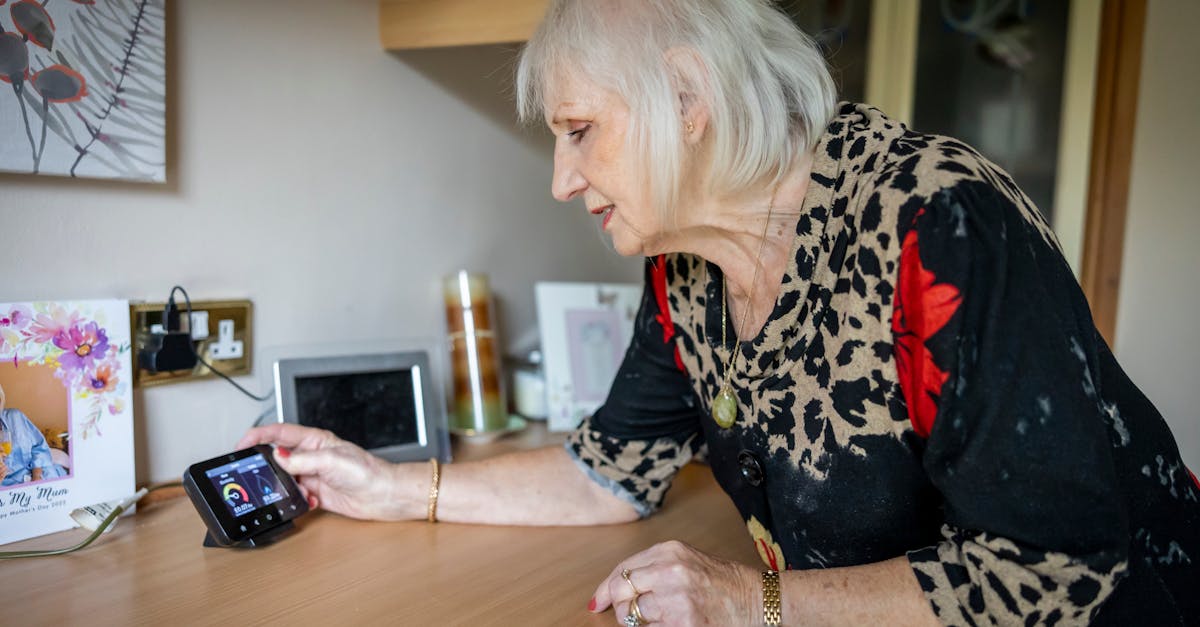
Table of Contents
- Understanding Smart Meters in the UK: What They Are and How They Work
- The Direct Financial Benefits: How Smart Meters Reduce Utility Bills
- Energy Efficiency: Identifying Your Home’s Energy Drains
- Access to Better Tariffs and Flexible Energy Plans
- The Broader Economic Benefits for British Households
- Maximising Your Smart Meter Investment: Practical Tips
- Addressing Common Concerns About Smart Meters
- Conclusion: Taking Control of Your Energy Future
- Frequently Asked Questions
- How much money can I realistically save with a smart meter?
- Is smart meter installation really free?
- Will a smart meter work if I switch energy suppliers?
- Can I refuse a smart meter if my energy supplier wants to install one?
- Do smart meters need WiFi or affect my broadband?
- What happens to my smart meter if there’s a power cut?
- Can smart meters help me if I have solar panels?
- How often does a smart meter send readings to my supplier?
- Will a smart meter work with my prepayment tariff?
- What should I do if my smart meter stops working in smart mode?
- Related Posts
“`html
The Savvy Energy Consumer: Uncovering the Financial Benefits of Smart Meters in the UK
As household energy costs continue to rise across Britain, homeowners are increasingly seeking innovative ways to monitor and reduce their consumption. Smart meters in the UK have emerged as a powerful tool for achieving greater control over energy usage whilst potentially reducing utility bills. These digital devices, offered free of charge by energy suppliers, are transforming how British households understand and manage their energy consumption. By providing real-time data and eliminating estimated billing, smart meters empower consumers to make informed decisions about their energy usage and discover genuine opportunities for household savings.
Understanding Smart Meters in the UK: What They Are and How They Work
Smart meters in the UK represent the next generation of gas and electricity meters, replacing traditional analogue meters that have served British homes for decades. Unlike conventional meters that require manual readings, these intelligent devices automatically send accurate meter readings directly to your energy supplier at least once a month, eliminating the need for estimated bills or engineer visits.
A typical smart meter installation includes two main components: the smart meter itself, which measures your energy consumption, and an in-home display (IHD). The IHD is a portable monitor that shows your energy usage in near real-time, displaying how much energy you’re using in pounds and pence. This immediate feedback creates a direct connection between your household activities and their associated costs.
The UK government’s smart meter rollout, managed by the Smart Energy GB campaign, aims to install smart meters in every willing home and small business by 2025. As of early 2024, over 30 million smart meters have been installed across Britain, representing a significant shift in how the nation manages its energy infrastructure.
The Direct Financial Benefits: How Smart Meters Reduce Utility Bills
The primary attraction of smart meters in the UK for most homeowners centres on their potential to reduce utility bills. Whilst the meters themselves don’t directly lower energy costs, they provide the visibility and insights needed to identify wasteful consumption patterns and make meaningful changes.
Eliminating Estimated Bills and Overpayments
One of the immediate financial benefits comes from the elimination of estimated billing. Traditional meters often lead to situations where suppliers overestimate consumption, causing customers to overpay for months before receiving a substantial credit. According to Ofgem, the UK’s energy regulator, millions of British households have experienced billing issues related to estimated readings.
With smart meters automatically transmitting accurate readings, you only pay for the energy you actually use. This precision prevents the cash flow problems associated with building up large credit balances or, conversely, accumulating debt based on underestimates that result in catch-up bills.
Real-Time Awareness Leading to Behavioural Change
Research conducted by the Department for Business, Energy and Industrial Strategy found that households with smart meters and in-home displays reduced their energy consumption by an average of 2-3%. For a typical British household spending £2,000 annually on energy, this translates to household savings of £40-£60 per year without any significant lifestyle changes.
The psychological impact of seeing energy costs accumulate in real-time cannot be overstated. When you can watch the pounds and pence tick up as appliances run, it naturally encourages more mindful energy consumption habits, such as:
- Switching off lights in unoccupied rooms
- Reducing standby power consumption by turning devices off at the socket
- Running washing machines and dishwashers only when full
- Adjusting heating temperatures by just one or two degrees
- Identifying energy-hungry appliances that might need replacing
Energy Efficiency: Identifying Your Home’s Energy Drains
Beyond the basic awareness of consumption, smart meters in the UK enable homeowners to conduct practical energy efficiency audits of their properties. The detailed information provided helps identify specific areas where energy is being wasted.
Appliance-Level Energy Detection
By monitoring your in-home display whilst systematically turning appliances on and off, you can identify which devices consume the most energy. Many British homeowners are surprised to discover their actual energy drains. For instance, an old chest freezer in the garage might be costing £150 annually to run, whilst an energy-efficient replacement would cost just £40 per year to operate.
Similarly, heating systems often account for approximately 55% of household energy bills in the UK. By observing how your consumption changes with different thermostat settings, you can find the optimal balance between comfort and cost. The Energy Saving Trust suggests that reducing your room temperature by just 1°C could cut your heating bills by up to 10%.
Tracking Seasonal Variations and Patterns
Smart meters allow you to understand your energy consumption patterns across different seasons and times of day. This information proves invaluable when considering tariff changes or investments in energy efficiency improvements. You might discover that your household uses significantly more electricity during morning and evening peaks, making you an ideal candidate for a time-of-use tariff that offers cheaper rates during off-peak hours.
Access to Better Tariffs and Flexible Energy Plans
Smart meters in the UK open doors to innovative tariff structures that weren’t possible with traditional meters. Energy suppliers are increasingly offering smart-meter-exclusive deals that reward consumers for flexible energy usage.
Time-of-Use Tariffs
Time-of-use (TOU) tariffs, such as Octopus Energy’s Agile and Go tariffs, vary the price of electricity throughout the day based on wholesale market costs and grid demand. With a smart meter, you can take advantage of cheaper rates during off-peak periods, typically overnight or during sunny, windy days when renewable generation is high.
For households that can shift significant consumption to off-peak periods—such as charging electric vehicles overnight, running dishwashers and washing machines on timers, or using storage heaters—these tariffs can deliver household savings of 20% or more compared to standard variable rates.
Smart Export Guarantee (SEG) Payments
Homeowners with solar panels or other renewable generation benefit significantly from smart meters through the Smart Export Guarantee scheme. This government-backed initiative requires energy suppliers to pay households for excess renewable electricity exported to the grid. Smart meters accurately measure both import and export, ensuring you receive fair compensation for your renewable generation.
Some suppliers offer export rates as high as 15p per kWh for exported electricity, turning your renewable investment into a genuine income source whilst contributing to Britain’s net-zero ambitions.
The Broader Economic Benefits for British Households
Beyond direct utility bills savings, smart meters in the UK contribute to household finances in several indirect ways that savvy consumers should consider.
Avoiding Price Cap Increases
By reducing overall energy consumption through better awareness and management, households can partially insulate themselves from the impact of Ofgem’s energy price cap increases. When the price cap rose significantly in recent years, households that had already reduced consumption by 10-15% through smart meter-enabled efficiency measures experienced proportionally lower bill increases.
Enhanced Property Value
As energy efficiency becomes an increasingly important consideration for homebuyers and renters, properties equipped with smart meters and demonstrable low energy consumption may command premium prices or rent more quickly. The UK’s Energy Performance Certificate (EPC) system already influences property values, and smart meters complement efforts to improve a property’s energy rating.
Reduced Carbon Footprint with Financial Incentives
Many energy suppliers now offer rewards programmes that provide cashback, vouchers, or bill credits for reducing consumption during peak demand periods. The National Grid’s Demand Flexibility Service, launched during winter 2022-23, paid households £3 per kWh saved during specified peak hours. Participants with smart meters could easily track their savings and claim rewards totalling £20-£100 over the winter period.
Maximising Your Smart Meter Investment: Practical Tips
To extract maximum financial benefit from smart meters in the UK, homeowners should adopt strategic approaches to energy management.
Establish Your Baseline
When your smart meter is first installed, spend a week monitoring your normal energy consumption patterns without making changes. This baseline helps you measure the impact of subsequent efficiency improvements and provides realistic targets for reduction.
Set Daily and Weekly Budgets
Most in-home displays allow you to set daily or weekly spending budgets. Use your baseline data to establish realistic targets, then gradually reduce these by 5-10% as you identify and eliminate wasteful consumption. The visual feedback when approaching or exceeding your budget serves as a powerful behavioural prompt.
Conduct Regular Energy Audits
Schedule quarterly reviews of your energy consumption data, looking for unexpected increases that might indicate failing appliances, heating system issues, or new sources of waste. Many suppliers provide detailed consumption data through online portals or smartphone apps, allowing you to analyse trends over time.
Combine with Other Efficiency Measures
Smart meters work best as part of a comprehensive approach to energy efficiency. Consider combining smart meter insights with:
- LED lighting upgrades throughout your property
- Improved insulation in lofts, walls, and floors
- Draught-proofing around windows and doors
- Upgrading to A-rated appliances when replacements are needed
- Installing smart thermostats and radiator valves for zone-based heating control
Addressing Common Concerns About Smart Meters
Despite their benefits, some UK homeowners remain hesitant about smart meter installation. Understanding and addressing these concerns helps make informed decisions.
First-Generation Compatibility Issues
Early smart meters (SMETS1) sometimes lost their smart functionality when customers switched suppliers. However, the newer SMETS2 meters, which have been the standard since 2018, work with all suppliers. Additionally, the Data Communications Company’s network upgrade means most SMETS1 meters are being remotely updated to work across all suppliers.
Privacy and Data Security
Smart meters use secure, encrypted communications and are subject to strict UK data protection regulations. Your consumption data belongs to you, and suppliers can only access it with your permission. The data transmitted contains only meter readings—smart meters cannot identify which specific appliances you’re using.
Health and Safety
Smart meters communicate using radio waves similar to mobile phones and WiFi routers but typically at lower power levels. Public Health England (now part of the UK Health Security Agency) has confirmed that smart meters pose no risk to health, with exposure levels well below international safety guidelines.
Conclusion: Taking Control of Your Energy Future
Smart meters in the UK represent far more than a technological upgrade to your home’s energy infrastructure. They serve as a gateway to enhanced energy efficiency, reduced utility bills, and meaningful household savings. By providing unprecedented visibility into your energy consumption patterns, these devices empower British homeowners to make informed decisions that benefit both their finances and the environment.
The financial advantages extend beyond immediate bill reductions. From accessing innovative tariffs and export payments to avoiding estimated bills and participating in demand flexibility schemes, smart meters create multiple opportunities for savings. When combined with other energy efficiency measures and mindful consumption habits, households can realistically reduce their annual energy costs by 10-20% or more.
As Britain continues its transition towards a smarter, more sustainable energy system, early adopters of smart meter technology position themselves to take fullest advantage of emerging opportunities. Whether through time-of-use tariffs that reward flexible consumption, export payments for renewable generation, or simply the peace of mind that comes from accurate billing and real-time awareness, the benefits of smart meters extend throughout your household’s energy journey.
For the savvy energy consumer, the question is not whether to install a smart meter, but how quickly you can arrange installation and begin realising the financial and environmental benefits these devices offer. With free installation available from all major UK energy suppliers, there’s never been a better time to take control of your energy consumption and start your journey towards lower utility bills and a more sustainable household.
Frequently Asked Questions
How much money can I realistically save with a smart meter?
The average UK household with a smart meter and in-home display saves between 2-3% on energy bills through improved awareness and behavioural changes alone, equating to approximately £40-£60 annually based on typical energy costs. However, households that actively use their smart meter data to identify efficiency improvements, switch to appropriate tariffs, and adjust consumption habits can achieve savings of 10-20% or more—potentially £200-£400 per year. Your actual savings depend on your current consumption patterns, the efficiency of your home and appliances, and how actively you engage with the information your smart meter provides.
Is smart meter installation really free?
Yes, smart meter installation is provided free of charge by your energy supplier. This includes the smart meters for both electricity and gas (if applicable), the in-home display, and professional installation by a qualified engineer. There are no upfront costs, ongoing fees, or charges for the equipment. The cost of the smart meter rollout is recovered through general distribution charges that apply to all consumers, regardless of whether they have a smart meter, so there’s no financial disadvantage to accepting installation.
Will a smart meter work if I switch energy suppliers?
Modern SMETS2 smart meters, which have been the standard since 2018, are designed to work with all UK energy suppliers. If you switch providers, your smart meter will continue to function in smart mode with your new supplier. Earlier SMETS1 meters sometimes lost smart functionality when customers switched, but most are being remotely upgraded to work across all suppliers through the Data Communications Company network. When switching suppliers, confirm that they support smart meters to ensure uninterrupted smart functionality.
Can I refuse a smart meter if my energy supplier wants to install one?
Yes, smart meter installation is voluntary for domestic customers in the UK. You cannot be forced to accept a smart meter if you don’t want one. However, declining installation means missing out on the benefits of accurate billing, real-time consumption data, and access to smart tariffs. Your supplier may periodically contact you about installation as they’re required to take reasonable steps to offer smart meters to all customers, but you’re free to decline. Keep in mind that as smart meters become standard, future tariff innovations may increasingly require them.
Do smart meters need WiFi or affect my broadband?
No, smart meters do not require your home WiFi or broadband connection to function. They use a secure wireless network specifically designed for smart meters, operated by the Data Communications Company. This separate network means smart meters won’t impact your home internet speed, data allowance, or reliability. Your in-home display communicates with your smart meter using a separate connection, also independent of your WiFi.
What happens to my smart meter if there’s a power cut?
Smart meters have internal batteries that maintain core functionality during power outages. Your smart electricity meter will continue recording consumption once power is restored, and your gas smart meter typically isn’t affected by electricity outages. The in-home display may not work during a power cut (as it needs charging), but it will resume normal operation once power returns. No data is lost during outages—the meter stores readings and transmits them when connectivity is restored.
Can smart meters help me if I have solar panels?
Yes, smart meters are particularly beneficial for households with solar panels or other renewable generation. They can accurately measure both the electricity you import from the grid and any excess you export back to it. This functionality is essential for receiving payments under the Smart Export Guarantee (SEG) scheme, which compensates households for renewable electricity exported to the grid. Without a smart meter, tracking exports requires additional metering equipment. Smart meters simplify this process and ensure you receive fair payment for your renewable generation.
How often does a smart meter send readings to my supplier?
Smart meters automatically send readings to your energy supplier at least once a month, though the exact frequency can vary. Many suppliers receive daily readings, and some tariffs (particularly time-of-use tariffs) require half-hourly data to calculate accurate charges based on when you use energy. You maintain control over how frequently data is shared—you can request monthly readings if preferred. Your in-home display shows consumption in near real-time (typically updated every few seconds), but this information stays in your home and isn’t automatically sent to your supplier.
Will a smart meter work with my prepayment tariff?
Yes, smart meters work excellently with prepayment tariffs and actually offer significant improvements over traditional prepayment meters. With a smart prepayment meter, you can top up online, via smartphone app, by text, or at local PayPoint locations—much more convenient than the old key or card systems. Your in-home display shows your remaining credit, helping you budget more effectively. Smart prepayment meters also typically support emergency credit and friendly credit features, providing safety nets if you run out of credit at inconvenient times.
What should I do if my smart meter stops working in smart mode?
If your smart meter stops sending automatic readings to your supplier (reverting to “dumb” mode), first check whether you’ve recently switched energy suppliers—there may be a brief setup period. For SMETS1 meters, confirm with your new supplier whether they support your meter model. Contact your energy supplier’s smart meter technical support team, as many issues can be resolved remotely through software updates. If necessary, they may arrange an engineer visit. In the meantime, your meter still records consumption accurately, so you can provide manual readings to ensure accurate billing until smart functionality is restored.
“`