Green Cleaning on a Budget: Cost-Effective and Eco-Friendly Cleaning Solutions for the UK Household
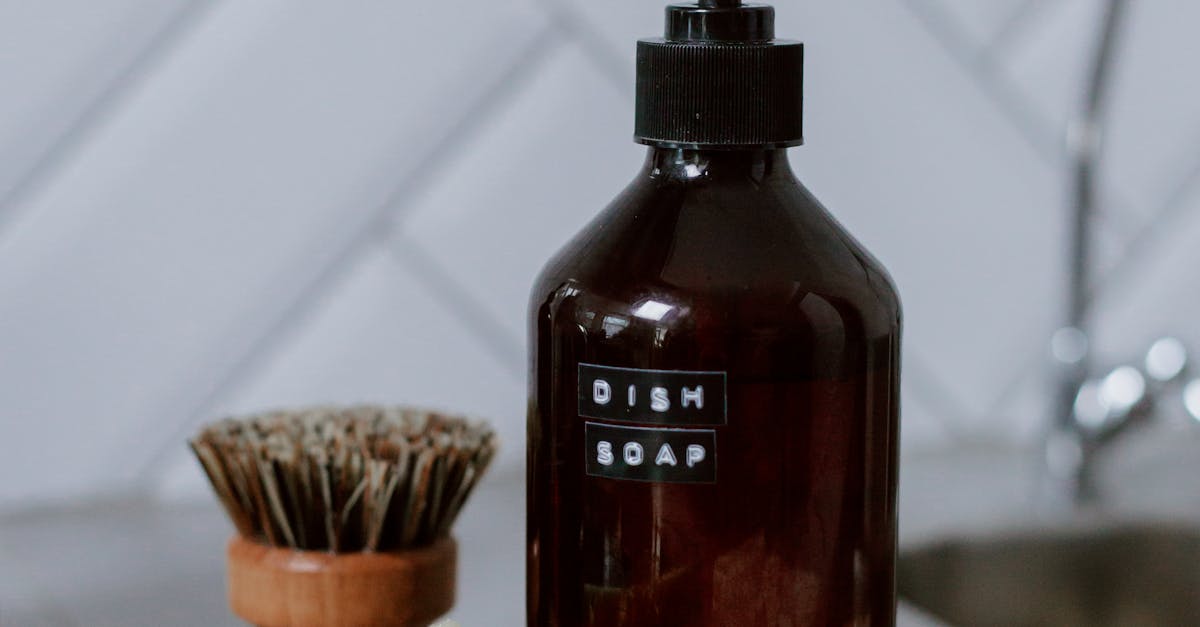
Table of Contents
- Understanding the Environmental Impact of Conventional Cleaning Products
- Essential Ingredients for Homemade Eco-Friendly Cleaning Solutions
- DIY Green Cleaning Solutions for Every Room
- Sustainable Cleaning Tools and Materials
- Money-Saving Tips for Green Cleaning
- UK-Specific Green Cleaning Resources
- Real UK Success Stories
- Conclusion
- Frequently Asked Questions
- Is vinegar safe to use on all surfaces?
- How can I make my homemade cleaners smell better?
- Are homemade cleaners as effective at killing germs as commercial antibacterial products?
- How much money can the average UK household save by switching to green cleaning?
- Where can I recycle empty cleaning product containers in the UK?
- Are there any UK government incentives for eco-friendly households?
- How do I know if a commercial product is truly eco-friendly and not just greenwashed?
- Related Posts
Green Cleaning on a Budget: Cost-Effective and Eco-Friendly Cleaning Solutions for the UK Household
The shift towards eco-friendly cleaning is rapidly gaining momentum across the UK as households become increasingly aware of the environmental impact of conventional cleaning products. With growing concerns about climate change and plastic pollution, many British families are seeking greener alternatives that don’t harm the planet or break the bank. The good news is that adopting eco-friendly cleaning practices doesn’t have to strain your budget – in fact, it can lead to significant savings over time.
According to a 2022 report by WRAP (Waste and Resources Action Programme), the average UK household spends approximately £130 annually on cleaning products, many of which contain harmful chemicals and come in single-use plastic packaging. By switching to greener alternatives, families can reduce this expenditure by up to 40% while minimising their environmental footprint.
This comprehensive guide explores cost-effective eco-friendly cleaning solutions specifically tailored for UK households, proving that sustainable living and budget consciousness can go hand in hand.
Understanding the Environmental Impact of Conventional Cleaning Products
Before diving into green alternatives, it’s important to understand why eco-friendly cleaning matters. Conventional cleaning products sold in British supermarkets often contain harsh chemicals such as phosphates, ammonia, and chlorine bleach. These substances can:
- Contribute to water pollution when washed down drains
- Affect indoor air quality, potentially triggering respiratory issues
- Harm aquatic ecosystems when they enter waterways
- Add to the growing problem of plastic waste through packaging
Research by the Environment Agency has found traces of cleaning chemicals in British rivers and streams, affecting wildlife and water quality. Additionally, a study by the University of Exeter revealed that regular exposure to conventional cleaning products was associated with a decline in lung function equivalent to smoking 20 cigarettes a day.
Essential Ingredients for Homemade Eco-Friendly Cleaning Solutions
The cornerstone of budget-friendly green cleaning is using simple, natural ingredients that are effective, affordable, and widely available in UK shops. These versatile staples can replace dozens of specialised cleaning products:
White Vinegar
Costing around £1 for a large bottle at Tesco or Sainsbury’s, white vinegar is perhaps the most versatile eco-friendly cleaning agent. Its acidity makes it effective at:
- Cutting through grease and grime
- Removing limescale (particularly useful in hard water areas like London and the South East)
- Eliminating odours
- Cleaning windows without streaks
Bicarbonate of Soda (Baking Soda)
Available for approximately 80p per box from most UK supermarkets, bicarbonate of soda works as a gentle abrasive and deodoriser. It’s perfect for:
- Scouring sinks and bathtubs
- Freshening carpets and upholstery
- Unclogging drains when combined with vinegar
- Removing stubborn tea stains from mugs (a particularly British problem!)
Lemon Juice
Fresh lemons cost around 30p each, making them an affordable cleaning ally. Their natural acidity is excellent for:
- Cutting through grease
- Removing stains
- Freshening and deodorising
- Tackling limescale in kettles (vital for proper British tea!)
Essential Oils
While slightly more expensive (£2-5 per bottle from health shops like Holland & Barrett), essential oils last for months and add pleasant scents to homemade cleaners. Tea tree, lavender, and lemon oils also have antimicrobial properties. Just a few drops can transform vinegar-based cleaners from smelling like a chip shop to something delightful!
DIY Green Cleaning Solutions for Every Room
Kitchen Cleaners
The kitchen is often the heart of British homes and needs frequent cleaning. These eco-friendly solutions tackle common kitchen cleaning challenges:
All-Purpose Cleaner
Ingredients:
- 500ml white vinegar
- 500ml water
- 15 drops of lemon or tea tree essential oil
Cost: Approximately 60p per bottle, compared to £2-4 for commercial equivalents.
This versatile cleaner works brilliantly on worktops, hobs, and kitchen tables. For stubborn grease on British cooker hoods, spray and leave for 10 minutes before wiping.
Oven Cleaner
Ingredients:
- 6 tablespoons bicarbonate of soda
- 2 tablespoons salt
- Enough water to form a paste
Cost: About 50p per application versus £4-6 for commercial oven cleaners.
Apply to oven surfaces, leave overnight, and wipe clean in the morning. Perfect for tackling the aftermath of a traditional Sunday roast!
Bathroom Solutions
UK bathrooms often face challenges with limescale due to hard water, especially in southern England. These solutions help combat common bathroom cleaning issues:
Toilet Cleaner
Ingredients:
- 120g bicarbonate of soda
- 120ml white vinegar
- 10 drops of tea tree oil
Cost: Around 40p per clean compared to £2-3 for commercial products.
Pour the bicarbonate of soda into the toilet bowl, add the vinegar (it will fizz), then add the essential oil. Leave for 30 minutes before scrubbing with a toilet brush.
Limescale Remover
Ingredients:
- Equal parts white vinegar and water
Cost: Approximately 50p per bottle versus £3-5 for commercial descalers.
Particularly useful in hard water areas like London, Kent, and Surrey. Spray onto taps, shower screens, and tiles, leave for 30 minutes, then wipe clean. For kettles, fill halfway with the solution, boil, then rinse thoroughly.
Sustainable Cleaning Tools and Materials
Eco-friendly cleaning isn’t just about the products you use but also the tools. Here are sustainable alternatives to disposable cleaning materials:
Reusable Cloths
Swedish dishcloths (available at Lakeland or online) cost around £3 each but can replace up to 17 rolls of kitchen paper, saving approximately £25 per year. They’re machine washable and last for months.
Wooden Brushes
Coconut fibre dish brushes with wooden handles are available from UK retailers like EcoVibe and Peace With The Wild for £3-5. They last longer than plastic alternatives and are compostable at the end of their life.
Reusable Spray Bottles
Invest in glass spray bottles (around £3-5 each from retailers like The Botanical Life) for your homemade cleaners. They’ll last for years and won’t leach chemicals into your solutions.
Money-Saving Tips for Green Cleaning
Beyond making your own products, these strategies will help UK households save money while cleaning greenly:
Bulk Buying
Purchase vinegar, bicarbonate of soda, and other ingredients in bulk from wholesalers like Costco or online retailers. This can reduce costs by up to 50% compared to smaller packages from supermarkets.
Repurposing Household Items
- Use old cotton t-shirts cut into squares as cleaning cloths
- Repurpose empty jam jars for storing homemade cleaning pastes
- Save citrus peels to infuse in vinegar for a natural cleaner with improved scent
- Use newspaper for streak-free window cleaning (a traditional British trick!)
Preventative Measures
Adopting habits that reduce the need for intensive cleaning can save both time and money:
- Use doormats to reduce dirt tracked inside (especially important with British weather!)
- Wipe shower screens after use to prevent limescale buildup
- Keep a window open when cooking to reduce grease deposits
- Rinse dishes before food dries on them
UK-Specific Green Cleaning Resources
British Eco-Friendly Brands
When DIY isn’t an option, these affordable British eco-brands offer ready-made solutions:
- Ecover: Widely available in UK supermarkets with refill stations in many health food shops
- Bio-D: Yorkshire-based company offering plant-based cleaning products
- Smol: Subscription-based laundry and dishwasher tablets with minimal packaging
- Ocean Saver: Affordable cleaning pod refills available at Tesco and B&M
Zero-Waste Shops
The UK has seen a boom in zero-waste shops where you can refill cleaning products at reduced prices. Notable chains include:
- The Refill Larder (multiple locations)
- Unpackaged (London)
- The Clean Green (Manchester)
- The Zero Waste Company (Edinburgh)
Real UK Success Stories
Emma Thompson from Cardiff reduced her cleaning budget by 60% after switching to homemade products. “I was spending nearly £20 a month on various cleaners,” she explains. “Now I spend about £8 every three months on ingredients for my DIY solutions. Plus, my asthma symptoms have improved dramatically.”
The Patel family in Birmingham saved over £200 annually by switching to eco-friendly cleaning methods and teaching their children sustainable habits. “It’s not just about saving money,” says Raj Patel. “It’s about teaching our kids to be responsible consumers and caretakers of the environment.”
Conclusion
Adopting eco-friendly cleaning practices offers multiple benefits for UK households: reduced environmental impact, potential health improvements, and significant cost savings. By returning to simple, natural ingredients that our grandparents would recognise, we can clean effectively while being kind to both our planet and our wallets.
The journey toward sustainable living doesn’t require drastic changes or expensive products. Start with a few simple swaps, experiment with DIY recipes, and gradually build a greener cleaning routine that works for your household. Remember that every small step contributes to positive change – both environmentally and economically.
With growing concerns about climate change, plastic pollution, and rising living costs across the UK, eco-friendly cleaning represents a practical, accessible way for British households to make a difference while stretching their budgets further. Clean home, clean conscience, healthy planet – all achievable without breaking the bank.
Frequently Asked Questions
Is vinegar safe to use on all surfaces?
No, avoid using vinegar on natural stone surfaces like marble or granite as the acidity can cause etching. It’s also not recommended for hardwood floors or electronics. For these surfaces, use a mild solution of castile soap and water instead.
How can I make my homemade cleaners smell better?
Essential oils are the most popular way to improve the scent of natural cleaners. Alternatively, infuse vinegar with citrus peels for 2-3 weeks before using it in cleaning solutions. Lemon, orange, and grapefruit work particularly well.
Are homemade cleaners as effective at killing germs as commercial antibacterial products?
While vinegar, hydrogen peroxide, and tea tree oil have antimicrobial properties, they may not kill all germs. For areas requiring disinfection, consider eco-friendly commercial products with certified antibacterial properties, or use strong white vinegar (10%) with tea tree oil for enhanced germ-fighting power.
How much money can the average UK household save by switching to green cleaning?
Based on current UK prices, a typical household can save £75-150 annually by replacing commercial cleaners with homemade alternatives. Additional savings come from reduced use of disposable cleaning materials.
Where can I recycle empty cleaning product containers in the UK?
Most plastic cleaning bottles can be recycled through local council recycling schemes. Additionally, some brands like Method and Ecover participate in TerraCycle programmes. Check Recycle Now for specific guidance based on your postcode.
Are there any UK government incentives for eco-friendly households?
While there are no direct incentives for green cleaning, programmes like the Green Homes Grant and renewable energy incentives support broader sustainable living efforts. Local councils occasionally offer composting bins at reduced rates, which is useful for disposing of natural cleaning materials.
How do I know if a commercial product is truly eco-friendly and not just greenwashed?
Look for recognised UK and EU certifications like the EU Ecolabel, Soil Association, or Cruelty-Free International. The Ethical Consumer website provides ratings and guidance specific to the UK market.