
Profit from Plastic: Unravelling the Benefits of Recycled Material Manufacturing in the UK
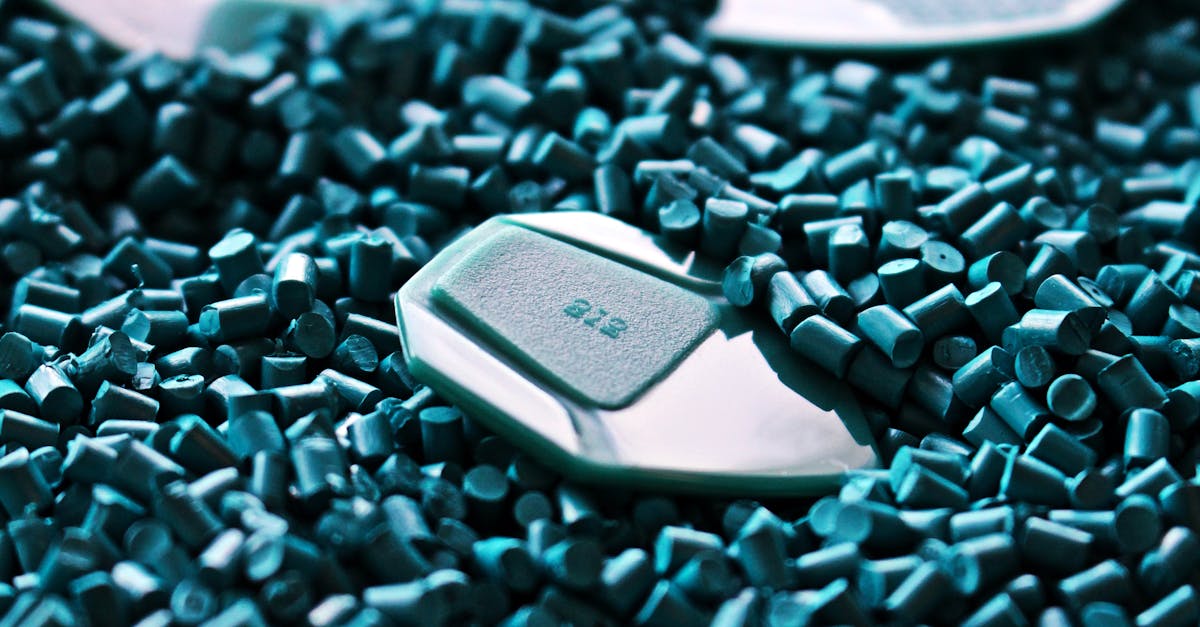
Table of Contents
- The Current State of Recycled Material Manufacturing in the UK
- Profitable Business Models in Recycled Material Manufacturing
- Financial Considerations for UK Entrepreneurs
- Environmental Impact and Sustainability Credentials
- Challenges and Solutions in the UK Recycled Materials Sector
- Future Outlook for Recycled Material Manufacturing in the UK
- Getting Started: Practical Steps for UK Entrepreneurs
- Conclusion
- Frequently Asked Questions
- What licenses do I need to start a recycled material manufacturing business in the UK?
- How has Brexit affected the recycled materials market in the UK?
- What are the typical profit margins in plastic recycling businesses?
- Are there any government grants available specifically for recycled material manufacturing in the UK?
- What types of plastic are most profitable to recycle in the UK?
- How can I ensure consistent quality when manufacturing with recycled materials?
- What volume of plastic waste do I need to process to make recycling economically viable?
- Related Posts
Profit from Plastic: Unravelling the Benefits of Recycled Material Manufacturing in the UK
The landscape of recycled material manufacturing in the United Kingdom is rapidly evolving, presenting a golden opportunity for entrepreneurs with an environmental conscience. As the UK generates approximately 5 million tonnes of plastic waste annually, with only about one-third currently being recycled, there exists a substantial untapped resource ready to be transformed into profitable, sustainable products. This article explores how forward-thinking business leaders can capitalise on this growing sector while simultaneously contributing to crucial environmental goals.
The Current State of Recycled Material Manufacturing in the UK
The UK’s recycling industry is experiencing unprecedented growth, with recycled material manufacturing becoming increasingly viable as both a business model and an environmental solution. According to WRAP (Waste and Resources Action Programme), the UK’s circular economy and resource efficiency charity, the waste management and recycling sector contributes over £8 billion annually to the UK economy and employs more than 106,000 people.
Recent policy shifts have accelerated this growth trajectory. The UK government’s Resources and Waste Strategy, coupled with the Plastic Packaging Tax introduced in April 2022 (charging £200 per tonne on packaging with less than 30% recycled content), has created strong economic incentives for businesses to incorporate recycled materials into their production processes.
Key Market Trends Driving Growth
Several factors are converging to make recycled material manufacturing particularly attractive in the current economic climate:
- Consumer demand for eco-friendly products has risen dramatically, with 73% of UK consumers stating they would pay more for sustainable packaging, according to Nielsen research
- Major retailers including Tesco, Sainsbury’s, and Marks & Spencer have committed to reducing virgin plastic use in their supply chains
- The Extended Producer Responsibility (EPR) scheme is reforming how packaging waste is managed, creating additional incentives for using recycled content
- Investment in recycling technologies is increasing, with innovations making plastic recycling more efficient and cost-effective
Profitable Business Models in Recycled Material Manufacturing
Entrepreneurs looking to enter the recycled material manufacturing space have several viable business models to consider. Each presents distinct advantages and challenges within the UK context.
Collection and Sorting Operations
The foundation of successful recycled material manufacturing begins with effective collection and sorting. UK-based companies like Biffa have demonstrated the profitability of this approach by developing sophisticated sorting technologies that can separate different plastic polymers with high accuracy.
Case Study: First Mile, a London-based recycling company, has built a successful business model around providing convenient recycling services for businesses. They collect everything from coffee cups to electrical equipment, sorting materials for reprocessing. Their turnover has grown to over £30 million annually by focusing on making recycling simple for commercial clients.
Processing and Manufacturing
Converting collected plastic waste into usable manufacturing materials represents the core of recycled material manufacturing. This typically involves:
- Washing and removing contaminants
- Shredding plastic into flakes
- Melting and extruding into pellets
- Producing finished goods or materials for other manufacturers
Case Study: Plasgran, based in Cambridgeshire, processes over 50,000 tonnes of plastic waste annually, turning it into high-quality recycled compounds. The company was acquired by RPC bpi group for £34.5 million in 2018, demonstrating the significant value in this sector.
End-Product Manufacturing
Perhaps the most visible success stories in recycled material manufacturing come from companies creating finished consumer products from recycled plastics.
Case Study: Recycling Technologies, headquartered in Swindon, has developed innovative technology to convert hard-to-recycle plastic waste into a valuable oil called Plaxx®. This oil can be used as a feedstock for new plastic production, closing the loop in plastic manufacturing. The company has secured over £20 million in investment to scale their operations.
Financial Considerations for UK Entrepreneurs
Starting a recycled material manufacturing business requires careful financial planning, particularly in the current economic climate.
Initial Investment Requirements
Capital requirements for entering recycled material manufacturing vary significantly based on the business model:
- Collection and sorting operations typically require £100,000-£500,000 for vehicles, collection infrastructure, and basic sorting equipment
- Processing facilities with washing, shredding, and pelletising capabilities typically cost £1-5 million
- Full-scale manufacturing operations using recycled materials generally require £3-10 million or more
The UK government offers various grants and incentives for businesses in this sector, including the Industrial Energy Transformation Fund and support through Innovate UK.
Operational Costs and Profit Margins
The economics of recycled material manufacturing have improved substantially in recent years:
- Energy costs remain significant (approximately 15-25% of operational expenses) but are offset by increasing material values
- Labour costs typically represent 20-30% of operational expenses
- Profit margins in recycled plastic processing average 8-15%, with higher margins possible for specialised or high-quality outputs
With the Plastic Packaging Tax creating artificial price advantages for recycled content, margins are expected to improve further in coming years.
Environmental Impact and Sustainability Credentials
Beyond financial considerations, recycled material manufacturing offers significant environmental benefits that strengthen both marketing potential and long-term business sustainability.
Carbon Footprint Reduction
According to research from Imperial College London, manufacturing products from recycled plastics typically generates 30-40% less carbon emissions compared to virgin plastic production. For environmentally conscious businesses, this represents a significant selling point when marketing to increasingly eco-aware consumers.
Waste Diversion and Circular Economy
Recycled material manufacturing directly contributes to the UK’s circular economy goals by:
- Reducing landfill usage (the UK currently sends approximately 3.3 million tonnes of plastic waste to landfill annually)
- Decreasing marine pollution (approximately 80% of marine plastic originates from land-based sources)
- Conserving natural resources by reducing demand for virgin petroleum-based materials
These environmental credentials can be quantified and leveraged in marketing, particularly when targeting the 66% of UK consumers who say they’re willing to pay more for sustainable products according to Accenture.
Challenges and Solutions in the UK Recycled Materials Sector
While opportunities abound, entrepreneurs entering recycled material manufacturing must navigate several challenges specific to the UK market.
Quality Control and Material Consistency
Inconsistent input materials remain one of the greatest challenges in recycled material manufacturing. UK businesses are addressing this through:
- Investment in advanced sorting technologies including AI-powered optical sorters
- Development of standardised testing protocols for recycled materials
- Creation of material specifications that account for the inherent variability of recycled inputs
Case Study: The UK Plastics Pact, facilitated by WRAP and including members like Unilever, Nestlé, and major UK supermarkets, has developed standardised guidelines for plastic packaging design that improve recyclability and output quality.
Regulatory Navigation
The regulatory landscape for recycled material manufacturing in the UK is complex but navigable with proper guidance:
- Environmental permits are required for processing operations, overseen by the Environment Agency in England, Natural Resources Wales, the Scottish Environmental Protection Agency, or the Northern Ireland Environment Agency
- Compliance with the Producer Responsibility Obligations (Packaging Waste) Regulations is essential
- Quality standards for food-contact materials are particularly stringent and regulated by the Food Standards Agency
Working with organisations like RECOUP (RECycling Of Used Plastics) can help new entrants navigate these requirements efficiently.
Future Outlook for Recycled Material Manufacturing in the UK
The future of recycled material manufacturing in the UK appears robust, with several emerging trends indicating continued growth:
Technological Innovations
Breakthrough technologies are reshaping what’s possible in plastic recycling:
- Chemical recycling processes developed by companies like Plastic Energy in London are enabling previously unrecyclable plastics to be converted back into virgin-quality materials
- Blockchain-based traceability systems are improving supply chain transparency
- Advanced sorting technologies using hyperspectral imaging can identify and separate plastics with unprecedented accuracy
Market Expansion
New applications for recycled plastics continue to emerge across diverse industries:
- Construction materials, including recycled plastic lumber and composite decking
- Automotive components, with manufacturers like Jaguar Land Rover incorporating recycled plastics into interior components
- Packaging innovations, with companies like Lush developing 100% recycled plastic containers
Getting Started: Practical Steps for UK Entrepreneurs
For UK entrepreneurs ready to explore opportunities in recycled material manufacturing, several practical steps can help establish a strong foundation:
Market Research and Network Building
- Join industry organisations like the Recycling Association and the British Plastics Federation
- Attend key events such as RWM (Recycling and Waste Management Exhibition) at the NEC Birmingham
- Connect with local authorities and waste management companies to understand material availability
Funding and Support
- Explore innovation funding through Innovate UK and the Knowledge Transfer Network
- Consider sustainability-focused investors like Circularity Capital or the Green Investment Group
- Investigate regional growth funds available through Local Enterprise Partnerships (LEPs)
Conclusion
The convergence of environmental necessity, policy incentives, consumer demand, and technological innovation has created an exceptional moment of opportunity in UK recycled material manufacturing. For entrepreneurs who can navigate the challenges of this sector, the potential rewards extend beyond financial returns to include meaningful environmental impact.
As the UK continues its transition toward a more circular economy, those businesses that establish themselves now in the recycled material manufacturing space will be well-positioned to lead the next generation of sustainable British industry. With thoughtful planning, strategic partnerships, and a commitment to quality and innovation, entrepreneurs can successfully transform plastic waste into profit while contributing to critical environmental goals.
Frequently Asked Questions
What licenses do I need to start a recycled material manufacturing business in the UK?
You will typically need an Environmental Permit from the appropriate environmental regulator in your nation (Environment Agency in England, Natural Resources Wales, SEPA in Scotland, or NIEA in Northern Ireland). Depending on your operations, you may also need waste carrier registration, planning permission for your facility, and potentially specific authorisations for handling certain waste types.
How has Brexit affected the recycled materials market in the UK?
Brexit has created both challenges and opportunities for UK recycled material manufacturers. While export complexities have increased for sending materials to EU countries, there’s been greater emphasis on developing domestic recycling capacity. The UK Plastic Packaging Tax represents a post-Brexit policy supporting the sector independently of EU regulations.
What are the typical profit margins in plastic recycling businesses?
Profit margins vary significantly based on business model, scale, and materials processed. Collection and sorting operations typically see margins of 5-10%, while processing into flakes or pellets may achieve 8-15%. Manufacturing finished goods from recycled plastics can reach margins of 15-25% for specialised or premium products.
Are there any government grants available specifically for recycled material manufacturing in the UK?
Yes, several funding sources exist including the Industrial Energy Transformation Fund, the UKRI Smart Sustainable Plastic Packaging Challenge, Innovate UK grants, and regional growth funds through Local Enterprise Partnerships. The UK Infrastructure Bank also provides financing for large-scale recycling infrastructure projects.
What types of plastic are most profitable to recycle in the UK?
Currently, PET (polyethylene terephthalate) and HDPE (high-density polyethylene) typically command the highest prices in recycled form. These are commonly found in beverage bottles (PET) and milk jugs (HDPE). Clear and uncoloured plastics generally fetch higher prices than coloured materials.
How can I ensure consistent quality when manufacturing with recycled materials?
Implementing robust quality control systems is essential, including incoming material inspection, controlled processing parameters, regular testing of outputs, and potentially blending recycled materials with virgin materials to maintain consistent properties. Many successful businesses develop proprietary methods for ensuring consistency despite variable inputs.
What volume of plastic waste do I need to process to make recycling economically viable?
Economic viability varies by business model, but generally, sorting and processing operations require minimum throughputs of 3,000-5,000 tonnes annually to achieve economies of scale. Smaller operations can be viable when focusing on high-value niche materials or vertically integrating to produce finished products.


